Navigating Commercial Pilot Training in the UK: Routes, Costs, and Strategic Choices
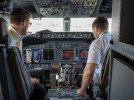
For aspiring pilots in the UK, launching a career in commercial aviation involves navigating a complex landscape of training pathways, financial commitments, and regulatory shifts. With rising competition and evolving post-Brexit licensing requirements, understanding your options is critical to success.
Integrated vs Modular Training: Choosing Your Path
Prospective pilots typically weigh two primary routes:
Integrated Programmes
Full-time courses at institutions like CAE Oxford Aviation Academy or L3Harris Airline Academy offer a streamlined path to a frozen Airline Transport Pilot Licence (ATPL). These intensive programmes, lasting 18–24 months, blend theory and practical training but come with a significant price tag, often reaching £90,000–£120,000. While costly, they’re favoured by airlines for their structured approach.
Modular Training
A flexible alternative, modular training allows students to complete licences incrementally—starting with a Private Pilot Licence (PPL) before progressing to Commercial (CPL) and ATPL theory. This self-paced route, often considered the most budget-friendly way to qualify, averages £60,000–£80,000. However, variables like weather delays and flight school efficiency can influence total costs.
Breaking Down Costs and Financial Strategies
Becoming a commercial pilot demands substantial investment. Beyond course fees, aspiring aviators must budget for:
Class 1 Medical Certificates:
Mandatory for commercial pilots, these assessments cost £200–£500 and require rigorous health checks.
Funding Solutions:
Career development loans or partnerships like the BALPA Pathfinder Programme can ease the burden, though UK-specific grants remain limited.
Hidden Expenses:
Retakes, accommodation, and travel often add 10–15% to initial estimates.
Overcoming Common Challenges
Licence Conversions Post-Brexit:
The UK’s shift from EASA to UK CAA licensing complicates transitions to EU-based roles. Pilots must now convert qualifications through additional exams and flight tests.
Weather and Delays:
The UK’s unpredictable climate can extend training timelines, particularly for modular students reliant on consistent flying conditions.
Job Market Realities:
Airlines prioritise candidates with frozen ATPLs, type ratings, or instructor certifications. Gaining an edge often requires supplementary training or networking through cadet programmes like the British Airways Speedbird Pilot Academy.
Exploring Overseas Training Opportunities
To reduce costs, many UK candidates consider training abroad:
USA:
FAA licences, obtainable for £40,000–£70,000 at schools in Florida or Arizona, can be converted to UK CAA standards via theoretical exams and flight assessments.
Europe:
EASA-accredited schools in Spain or Poland (€70,000–€85,000) remain viable for pilots targeting EU airlines post-conversion.
Australia/New Zealand:
Programs aligned with CASA or NZCAA regulations offer cost-effective training (£50,000–£80,000) and simpler UK licence reciprocity.
While overseas routes cut expenses, they require thorough due diligence. Ensure schools hold UK CAA or EASA accreditation and review alumni outcomes.
Strategic Planning for Success
Leverage Funding Opportunities:
Investigate aviation scholarships or airline-sponsored cadet programmes, which often include mentorship and job guarantees.
Stay Agile:
Post-Brexit regulatory changes mean adaptability is key. Consider roles in niche sectors like cargo or corporate aviation to build flight hours.
Network Early:
Engage with industry bodies like the UK Civil Aviation Authority or professional pilot forums to stay informed on licensing updates and job openings.
Conclusion
Qualifying as a commercial pilot in the UK is a demanding yet achievable goal. Integrated training offers a direct route for those with ample resources, while modular pathways provide flexibility for self-funded students. Overseas options, though logistically challenging, can reduce financial strain. By aligning your training choice with long-term career goals—and proactively addressing hurdles like licensing conversions or funding gaps—you can position yourself for takeoff in this competitive field.
Thorough research, financial planning, and resilience remain the cornerstones of success. Stay informed on evolving regulations, seek mentorship from seasoned professionals, and prioritise gaining experience—whether through flight instruction or regional airlines—to soar toward your aviation ambitions.
For aspiring pilots in the UK, launching a career in commercial aviation involves navigating a complex landscape of training pathways, financial commitments, and regulatory shifts. With rising competition and evolving post-Brexit licensing requirements, understanding your options is critical to success.
Integrated vs Modular Training: Choosing Your Path
Prospective pilots typically weigh two primary routes:
Integrated Programmes
Full-time courses at institutions like CAE Oxford Aviation Academy or L3Harris Airline Academy offer a streamlined path to a frozen Airline Transport Pilot Licence (ATPL). These intensive programmes, lasting 18–24 months, blend theory and practical training but come with a significant price tag, often reaching £90,000–£120,000. While costly, they’re favoured by airlines for their structured approach.
Modular Training
A flexible alternative, modular training allows students to complete licences incrementally—starting with a Private Pilot Licence (PPL) before progressing to Commercial (CPL) and ATPL theory. This self-paced route, often considered the most budget-friendly way to qualify, averages £60,000–£80,000. However, variables like weather delays and flight school efficiency can influence total costs.
Breaking Down Costs and Financial Strategies
Becoming a commercial pilot demands substantial investment. Beyond course fees, aspiring aviators must budget for:
Class 1 Medical Certificates:
Mandatory for commercial pilots, these assessments cost £200–£500 and require rigorous health checks.
Funding Solutions:
Career development loans or partnerships like the BALPA Pathfinder Programme can ease the burden, though UK-specific grants remain limited.
Hidden Expenses:
Retakes, accommodation, and travel often add 10–15% to initial estimates.
Overcoming Common Challenges
Licence Conversions Post-Brexit:
The UK’s shift from EASA to UK CAA licensing complicates transitions to EU-based roles. Pilots must now convert qualifications through additional exams and flight tests.
Weather and Delays:
The UK’s unpredictable climate can extend training timelines, particularly for modular students reliant on consistent flying conditions.
Job Market Realities:
Airlines prioritise candidates with frozen ATPLs, type ratings, or instructor certifications. Gaining an edge often requires supplementary training or networking through cadet programmes like the British Airways Speedbird Pilot Academy.
Exploring Overseas Training Opportunities
To reduce costs, many UK candidates consider training abroad:
USA:
FAA licences, obtainable for £40,000–£70,000 at schools in Florida or Arizona, can be converted to UK CAA standards via theoretical exams and flight assessments.
Europe:
EASA-accredited schools in Spain or Poland (€70,000–€85,000) remain viable for pilots targeting EU airlines post-conversion.
Australia/New Zealand:
Programs aligned with CASA or NZCAA regulations offer cost-effective training (£50,000–£80,000) and simpler UK licence reciprocity.
While overseas routes cut expenses, they require thorough due diligence. Ensure schools hold UK CAA or EASA accreditation and review alumni outcomes.
Strategic Planning for Success
Leverage Funding Opportunities:
Investigate aviation scholarships or airline-sponsored cadet programmes, which often include mentorship and job guarantees.
Stay Agile:
Post-Brexit regulatory changes mean adaptability is key. Consider roles in niche sectors like cargo or corporate aviation to build flight hours.
Network Early:
Engage with industry bodies like the UK Civil Aviation Authority or professional pilot forums to stay informed on licensing updates and job openings.
Conclusion
Qualifying as a commercial pilot in the UK is a demanding yet achievable goal. Integrated training offers a direct route for those with ample resources, while modular pathways provide flexibility for self-funded students. Overseas options, though logistically challenging, can reduce financial strain. By aligning your training choice with long-term career goals—and proactively addressing hurdles like licensing conversions or funding gaps—you can position yourself for takeoff in this competitive field.
Thorough research, financial planning, and resilience remain the cornerstones of success. Stay informed on evolving regulations, seek mentorship from seasoned professionals, and prioritise gaining experience—whether through flight instruction or regional airlines—to soar toward your aviation ambitions.