Birmingham Airport Soars Ahead: Strategic Moves to Capture Long-Haul Opportunities
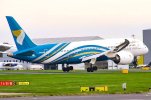
Image: @Sam1988 Forums4airports. com
Situated in the heart of the Midlands, Birmingham Airport (BHX) is aggressively pursuing new long-haul opportunities, targeting untapped markets in Asia, Africa, and the Americas to diversify its global footprint. With upgraded infrastructure and a focus on regional economic growth, BHX aims to position itself as the UK’s gateway to emerging economies.
Runway Expansion: Unlocking New Horizons
The completion of BHX’s £50 million runway extension in 2014 has been pivotal. The added 400 metres enable non-stop flights to destinations previously out of reach, such as Mumbai, Lagos, and Toronto. Barton previously stressed that BHX’s strategy focuses on linking the Midlands to high-growth economies rather than merely expanding geographic reach.
Terminal Transformation: Ready for the World
A £100 million terminal overhaul has modernised facilities to compete with larger hubs. New biometric e-gates, expanded lounges, and streamlined security processes cater to international travellers. Retail and dining upgrades include pop-up stalls offering Nigerian jollof rice and Indian street food, reflecting the airport’s ambition to appeal to diverse demographics.
Airline Alliances: Courting New Markets
BHX is actively negotiating with carriers to launch routes to high-potential destinations:
Africa: Talks with airlines such as RwandAir and Ethiopian Airlines hope to establish direct links to Kigali and Addis Ababa, leveraging the Midlands’ growing African diaspora and trade ties.
Asia: Targeting Vietnam Airlines and Thai Airways to connect Birmingham with immergine markets such as Ho Chi Minh City and Bangkok also capitalising on Southeast Asia’s booming tourism sector.
The Americus: Despite trade tensions, BHX is exploring routes to Toronto and Atlanta, focusing on diaspora travel and tech-sector demand.
To attract airlines, BHX offers incentives such as reduced landing fees for inaugural routes and joint marketing campaigns with regional tourism boards.
Economic Gateway: Aligning with Regional Growth
The Midlands’ economy—a hub for advanced manufacturing, green energy, and fintech—is driving demand for global connectivity. BHX collaborates with the West Midlands Combined Authority to promote the region to overseas investors. Councillor Ian Ward has repeatedly championed Birmingham Airport’s role in driving regional prosperity, stating that new long-haul routes “create vital connections for trade and investment.” While BHX has identified Lagos as a priority market, no formal launch plans have been confirmed.
Cargo: Fueling New Trade Corridors
BHX is expanding its cargo village to target emerging markets. Recent investments in cold-storage facilities aim to attract perishable goods from Kenya and Ghana, while partnerships with freight forwarders target e-commerce flows between the UK and India. The airport’s post-Brexit “Cargo 2030” strategy prioritises diversifying away from EU-centric trade.
Sustainability: Green Growth
New routes will align with BHX’s net-zero 2033 target. The airport is incentivising airlines to use Sustainable Aviation Fuel (SAF) on inaugural flights and has pledged £10 million to expand its solar farm capacity.
Stiff Competition
BHX faces stiff competition from Manchester and London airports, which are also vying for Asian and African routes. However, its cost advantages—landing fees 50% lower than Heathrow’s—and uncongested airspace provide a compelling case for airlines.
Birmingham Airport’s strategy is clear: to carve a niche in underserved long-haul markets by combining infrastructure readiness with regional economic clout. While existing routes remain vital, BHX’s future lies in becoming the UK’s nexus for emerging global trade and travel. Barton has repeatedly framed BHX as critical to the Midlands’ economic future, arguing that its long-haul strategy “supports regional prosperity far beyond passenger numbers.”
Image: @Sam1988 Forums4airports. com
Situated in the heart of the Midlands, Birmingham Airport (BHX) is aggressively pursuing new long-haul opportunities, targeting untapped markets in Asia, Africa, and the Americas to diversify its global footprint. With upgraded infrastructure and a focus on regional economic growth, BHX aims to position itself as the UK’s gateway to emerging economies.
Runway Expansion: Unlocking New Horizons
The completion of BHX’s £50 million runway extension in 2014 has been pivotal. The added 400 metres enable non-stop flights to destinations previously out of reach, such as Mumbai, Lagos, and Toronto. Barton previously stressed that BHX’s strategy focuses on linking the Midlands to high-growth economies rather than merely expanding geographic reach.
Terminal Transformation: Ready for the World
A £100 million terminal overhaul has modernised facilities to compete with larger hubs. New biometric e-gates, expanded lounges, and streamlined security processes cater to international travellers. Retail and dining upgrades include pop-up stalls offering Nigerian jollof rice and Indian street food, reflecting the airport’s ambition to appeal to diverse demographics.
Airline Alliances: Courting New Markets
BHX is actively negotiating with carriers to launch routes to high-potential destinations:
Africa: Talks with airlines such as RwandAir and Ethiopian Airlines hope to establish direct links to Kigali and Addis Ababa, leveraging the Midlands’ growing African diaspora and trade ties.
Asia: Targeting Vietnam Airlines and Thai Airways to connect Birmingham with immergine markets such as Ho Chi Minh City and Bangkok also capitalising on Southeast Asia’s booming tourism sector.
The Americus: Despite trade tensions, BHX is exploring routes to Toronto and Atlanta, focusing on diaspora travel and tech-sector demand.
To attract airlines, BHX offers incentives such as reduced landing fees for inaugural routes and joint marketing campaigns with regional tourism boards.
Economic Gateway: Aligning with Regional Growth
The Midlands’ economy—a hub for advanced manufacturing, green energy, and fintech—is driving demand for global connectivity. BHX collaborates with the West Midlands Combined Authority to promote the region to overseas investors. Councillor Ian Ward has repeatedly championed Birmingham Airport’s role in driving regional prosperity, stating that new long-haul routes “create vital connections for trade and investment.” While BHX has identified Lagos as a priority market, no formal launch plans have been confirmed.
Cargo: Fueling New Trade Corridors
BHX is expanding its cargo village to target emerging markets. Recent investments in cold-storage facilities aim to attract perishable goods from Kenya and Ghana, while partnerships with freight forwarders target e-commerce flows between the UK and India. The airport’s post-Brexit “Cargo 2030” strategy prioritises diversifying away from EU-centric trade.
Sustainability: Green Growth
New routes will align with BHX’s net-zero 2033 target. The airport is incentivising airlines to use Sustainable Aviation Fuel (SAF) on inaugural flights and has pledged £10 million to expand its solar farm capacity.
Stiff Competition
BHX faces stiff competition from Manchester and London airports, which are also vying for Asian and African routes. However, its cost advantages—landing fees 50% lower than Heathrow’s—and uncongested airspace provide a compelling case for airlines.
Birmingham Airport’s strategy is clear: to carve a niche in underserved long-haul markets by combining infrastructure readiness with regional economic clout. While existing routes remain vital, BHX’s future lies in becoming the UK’s nexus for emerging global trade and travel. Barton has repeatedly framed BHX as critical to the Midlands’ economic future, arguing that its long-haul strategy “supports regional prosperity far beyond passenger numbers.”