Lukla Landing: Where Aviation Geeks Meet Himalayan Soul
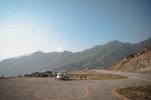
The first thing that strikes you, even before the Himalayas pierce the clouds, is the sheer, palpable focus in the cabin. This isn't your typical EasyJet hop to Malaga. This is a Twin Otter, engines droning steadily, bound for Tenzing-Hillary Airport, Lukla – a name that sends shivers of excitement and trepidation down any aviation enthusiast's spine. As we bank sharply, leaving the relative flatlands of Kathmandu behind, the world outside transforms into a crumpled map of impossible green ridges and snow-capped sentinels. The real adventure, the one we've pored over in documentaries and forums, is about to begin.
The Approach: A Masterclass in Precision
Forget autoland. Forget long, leisurely finals. Approaching Lukla (ICAO: VNLK) is aviation stripped back to pure, unadulterated skill. Perched at 2,845 meters (9,334 ft) on a mountainside in Nepal's Khumbu region, its runway – designated 06/24 – is legendary: a mere 527 metres long, ending abruptly in a steep drop into the valley and beginning disconcertingly with a sheer rock face. It slopes uphill at a staggering 11.7% gradient for landing on runway 06. As an enthusiast, you find yourself glued to the window, mentally ticking off the landmarks you've studied: the tight left turn required after passing the ridge, the critical alignment needed immediately.
The pilots, invariably Nepali masters of mountain flying, exhibit a calm intensity. Communication is clipped, precise. You see the co-pilot's eyes constantly scanning – the windsock (crucial!), the cloud fingers creeping down valleys, the precise point where the descent must commence. There's no room for error. The valley walls feel close enough to touch. The engines roar as we flare, the uphill slope helping to bleed off speed dramatically. The wheels touch down with a firm, positive thump – a reassuring sound after the heart-in-mouth approach. Reverse thrust kicks in instantly, the deceleration pressing you forward. You've landed. On that runway. A grin spreads across your face – pure aviation adrenaline.
Stepping Out: From Cockpit to Culture
The transition is jarring, exhilarating. One moment you're analysing flap settings and descent rates; the next, you're hit by the thin, crisp mountain air and a scene straight out of a different century. Lukla isn't just an airport; it's a vibrant, chaotic Sherpa village clinging to the mountainside. The roar of the Twin Otter engines gives way to the jingle of yak bells, the murmur of Nepali and Sherpa dialects, and the rhythmic chant of porters adjusting their doko baskets laden with impossibly heavy loads.
From an enthusiast's viewpoint, the airport itself is fascinatingly rudimentary. The single tarmac strip doubles as the main street when planes aren't landing (which isn't often!). Watching the ground crew – often in down jackets and woolly hats – manually push aircraft into the tiny parking area, guided by hand signals, is a world away from Heathrow's pushback tugs. Fuel is hand-pumped. Baggage is unloaded swiftly onto the tarmac. It's a lesson in efficient, low-tech operations perfectly adapted to its extreme environment. You notice the pilots mingling easily, local heroes respected for their vital lifeline.
Cultural Crossroads: Where Planes Meet Prayer Flags
The cultural insight hits you immediately: Lukla exists because of this airstrip. Built by Sir Edmund Hillary's Himalayan Trust in 1964, it transformed access to the Everest region. What was once a weeks-long trek from Jiri is now a 35-minute flight. This accessibility is a double-edged sword. You see it in the bustling lodges, the gear shops selling high-end mountaineering equipment alongside traditional Sherpa crafts, the mix of international trekkers in brightly coloured Gore-Tex and local porters in more humble, practical attire.
Yet, the deep-rooted Sherpa Buddhist culture remains resilient. Intricately carved mani stones line paths, prayer flags flutter from every building and suspension bridge, carrying mantras on the wind. The stoicism, warmth, and quiet strength of the Sherpa people are palpable. As an aviation tourist, you appreciate the stark contrast: the high-tech precision of the aircraft that brought you here, operated by pilots navigating using both modern instruments and intimate, generational knowledge of these valleys, juxtaposed against the ancient rhythms of mountain life, governed by seasons, faith, and the sheer physical challenge of the terrain.
The Enthusiast's Reflection
Lukla is more than just a bucket-list landing; it's a profound cultural and aviation nexus. It lays bare the incredible skill required to conquer the Himalayas technologically, while simultaneously humbling you before the people who have lived in harmony with these mountains for centuries. The sight of a brightly painted Yeti Airlines Twin Otter framed against the majestic Ama Dablam, with a line of yaks plodding past the perimeter fence, is an image that encapsulates it perfectly.
For the aviation enthusiast, landing at Lukla is the ultimate validation – a testament to engineering, pilot prowess, and human daring. But staying in Lukla, even briefly, offers the deeper insight: that this remarkable feat of aviation serves not just tourists, but a vibrant, resilient community. It connects the modern world to an ancient one, and the roar of the engines, far from being an intrusion, is the sound of a lifeline, woven into the very fabric of life high in the Khumbu. The next time you hear the distinctive drone of a Twin Otter, remember Lukla – where the thrill of the landing is only the beginning of a far richer journey. Just be sure to book an early flight; the best mountain weather, and the clearest views for your approach, are almost always at dawn.
The first thing that strikes you, even before the Himalayas pierce the clouds, is the sheer, palpable focus in the cabin. This isn't your typical EasyJet hop to Malaga. This is a Twin Otter, engines droning steadily, bound for Tenzing-Hillary Airport, Lukla – a name that sends shivers of excitement and trepidation down any aviation enthusiast's spine. As we bank sharply, leaving the relative flatlands of Kathmandu behind, the world outside transforms into a crumpled map of impossible green ridges and snow-capped sentinels. The real adventure, the one we've pored over in documentaries and forums, is about to begin.
The Approach: A Masterclass in Precision
Forget autoland. Forget long, leisurely finals. Approaching Lukla (ICAO: VNLK) is aviation stripped back to pure, unadulterated skill. Perched at 2,845 meters (9,334 ft) on a mountainside in Nepal's Khumbu region, its runway – designated 06/24 – is legendary: a mere 527 metres long, ending abruptly in a steep drop into the valley and beginning disconcertingly with a sheer rock face. It slopes uphill at a staggering 11.7% gradient for landing on runway 06. As an enthusiast, you find yourself glued to the window, mentally ticking off the landmarks you've studied: the tight left turn required after passing the ridge, the critical alignment needed immediately.
The pilots, invariably Nepali masters of mountain flying, exhibit a calm intensity. Communication is clipped, precise. You see the co-pilot's eyes constantly scanning – the windsock (crucial!), the cloud fingers creeping down valleys, the precise point where the descent must commence. There's no room for error. The valley walls feel close enough to touch. The engines roar as we flare, the uphill slope helping to bleed off speed dramatically. The wheels touch down with a firm, positive thump – a reassuring sound after the heart-in-mouth approach. Reverse thrust kicks in instantly, the deceleration pressing you forward. You've landed. On that runway. A grin spreads across your face – pure aviation adrenaline.
Stepping Out: From Cockpit to Culture
The transition is jarring, exhilarating. One moment you're analysing flap settings and descent rates; the next, you're hit by the thin, crisp mountain air and a scene straight out of a different century. Lukla isn't just an airport; it's a vibrant, chaotic Sherpa village clinging to the mountainside. The roar of the Twin Otter engines gives way to the jingle of yak bells, the murmur of Nepali and Sherpa dialects, and the rhythmic chant of porters adjusting their doko baskets laden with impossibly heavy loads.
From an enthusiast's viewpoint, the airport itself is fascinatingly rudimentary. The single tarmac strip doubles as the main street when planes aren't landing (which isn't often!). Watching the ground crew – often in down jackets and woolly hats – manually push aircraft into the tiny parking area, guided by hand signals, is a world away from Heathrow's pushback tugs. Fuel is hand-pumped. Baggage is unloaded swiftly onto the tarmac. It's a lesson in efficient, low-tech operations perfectly adapted to its extreme environment. You notice the pilots mingling easily, local heroes respected for their vital lifeline.
Cultural Crossroads: Where Planes Meet Prayer Flags
The cultural insight hits you immediately: Lukla exists because of this airstrip. Built by Sir Edmund Hillary's Himalayan Trust in 1964, it transformed access to the Everest region. What was once a weeks-long trek from Jiri is now a 35-minute flight. This accessibility is a double-edged sword. You see it in the bustling lodges, the gear shops selling high-end mountaineering equipment alongside traditional Sherpa crafts, the mix of international trekkers in brightly coloured Gore-Tex and local porters in more humble, practical attire.
Yet, the deep-rooted Sherpa Buddhist culture remains resilient. Intricately carved mani stones line paths, prayer flags flutter from every building and suspension bridge, carrying mantras on the wind. The stoicism, warmth, and quiet strength of the Sherpa people are palpable. As an aviation tourist, you appreciate the stark contrast: the high-tech precision of the aircraft that brought you here, operated by pilots navigating using both modern instruments and intimate, generational knowledge of these valleys, juxtaposed against the ancient rhythms of mountain life, governed by seasons, faith, and the sheer physical challenge of the terrain.
The Enthusiast's Reflection
Lukla is more than just a bucket-list landing; it's a profound cultural and aviation nexus. It lays bare the incredible skill required to conquer the Himalayas technologically, while simultaneously humbling you before the people who have lived in harmony with these mountains for centuries. The sight of a brightly painted Yeti Airlines Twin Otter framed against the majestic Ama Dablam, with a line of yaks plodding past the perimeter fence, is an image that encapsulates it perfectly.
For the aviation enthusiast, landing at Lukla is the ultimate validation – a testament to engineering, pilot prowess, and human daring. But staying in Lukla, even briefly, offers the deeper insight: that this remarkable feat of aviation serves not just tourists, but a vibrant, resilient community. It connects the modern world to an ancient one, and the roar of the engines, far from being an intrusion, is the sound of a lifeline, woven into the very fabric of life high in the Khumbu. The next time you hear the distinctive drone of a Twin Otter, remember Lukla – where the thrill of the landing is only the beginning of a far richer journey. Just be sure to book an early flight; the best mountain weather, and the clearest views for your approach, are almost always at dawn.